termite-treatment-singapore.jpg

Termites in Singapore: Signs, Types & Treatment (2026 Guide)

Termites in Singapore are mostly subterranean termites, with drywood and dampwood (garden) termites also found in homes. The first signs are mud tubes on walls, discarded wings near windows, and wood that sounds hollow when tapped. This guide explains how to identify each type, where they hide, and what to do next.

Dive into our ultimate guide to termite pest prevention, treatment, and control in Singapore, compiled by our experts at Termite Specialist. Safeguard your property and enjoy peace of mind by following these tips and insights!

Termites Guide: Understanding The Silent Invaders

There are different types of termites found in Singapore, and they have specific life cycles, habits, and nesting behavior.

Types of Termites in Singapore
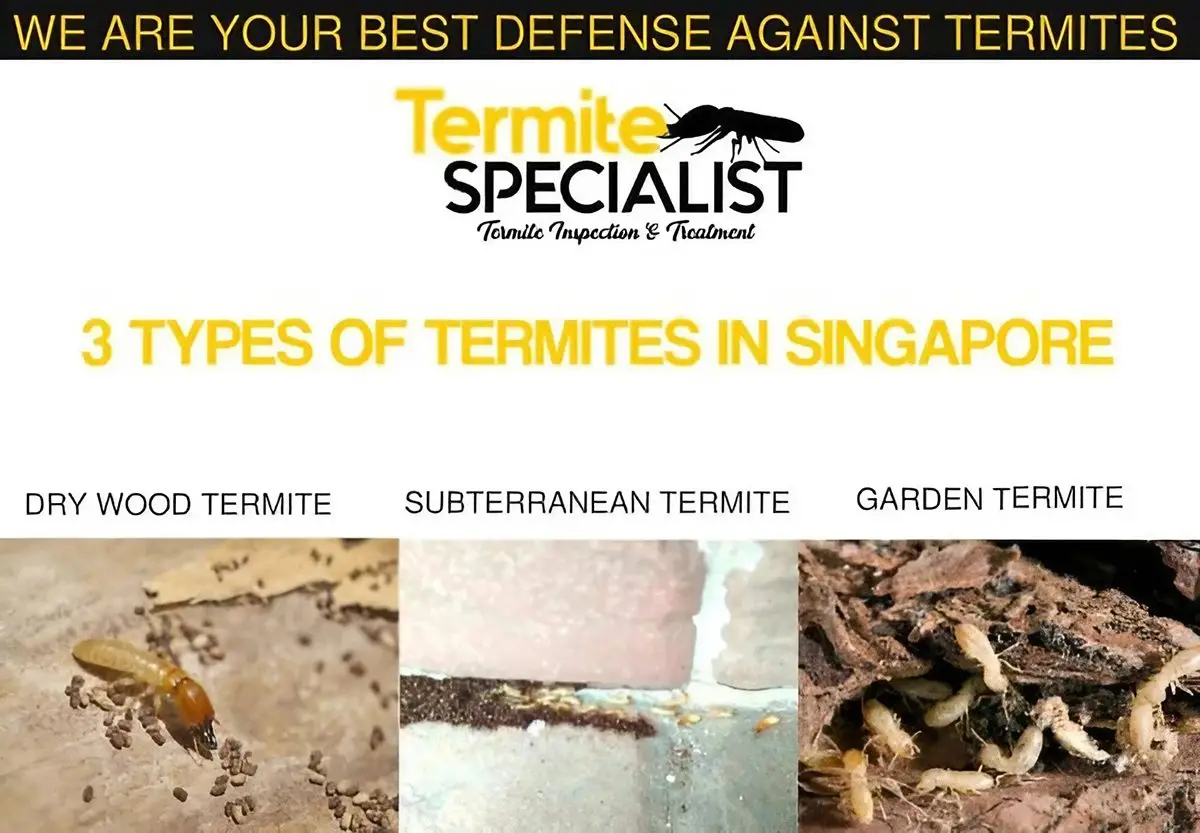
Various termite species In Singapore

Singapore’s tropical climate is home to several types of termites, and you can find out about them in full detail here. These tiny but destructive pests can cause substantial structural damage if left unchecked. Here are the three main types found in Singapore:

Subterranean Termites: These are the most destructive termite species. They primarily reside underground, but can travel up buildings through the wood and cracks in concrete.

Drywood Termites: They live and feed on wood with low moisture content, which includes furniture, door frames and wooden structures.

Dampwood/Garden Termites: Dwelling in damp and rotting wood, these termites typically infest damp areas in homes where there’s a water leak or poor ventilation.

Singapore Termite Types at a Glance

Termite typeSign you will usually seeWhere it is found
Subterranean termitesMud tubes on walls, skirting and door framesNest in the soil and travel into buildings through cracks and gaps
Drywood termitesSmall piles of dry pellets (frass), no mud tubesInside dry timber: furniture, door frames, beams
Dampwood (garden) termitesSoft, rotting wood that stays dampGardens, tree stumps and timber near leaks

Life Details of Termites (Life Cycle, Habits, Eggs)
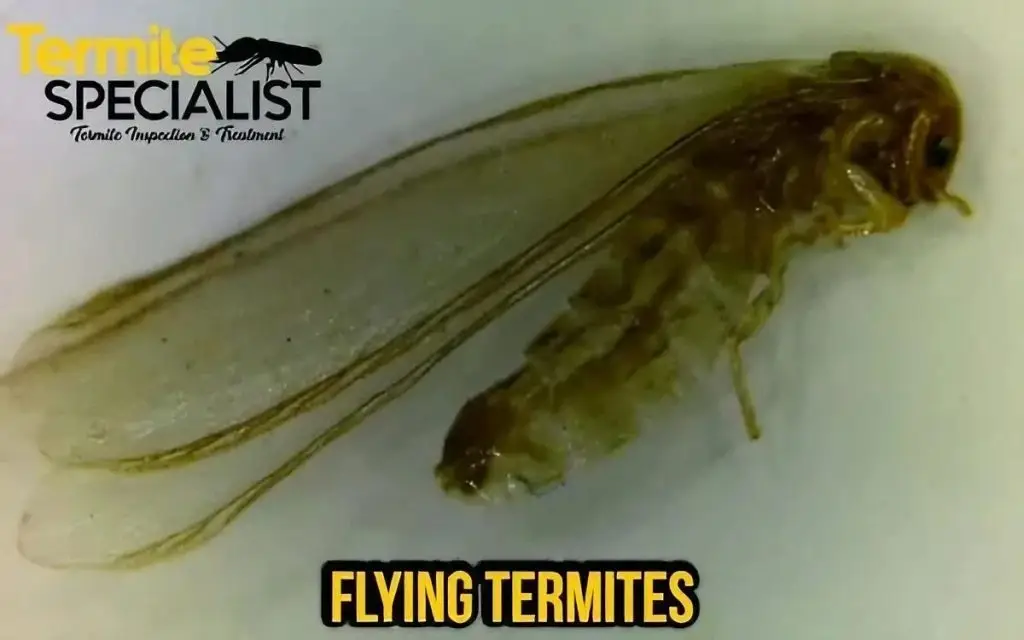
A flying termites photo that uses for termites guide blogs in Termite specialist blogs post

Termites have a three-stage life cycle—egg, nymph and adult. Termites hatch from eggs as tiny nymphs that gradually mature into adults, attaining different roles within the colony such as workers, soldiers or even flying termites responsible for reproduction. Once the reproductive termites are ready to leave, they take flight and mate, before finding a place to transform into a queen.

Termite queens lay thousands of eggs each day to replenish the colony’s population. They multiply quickly, and an infestation can get out of hand in a short period.

Termite Colony Facts
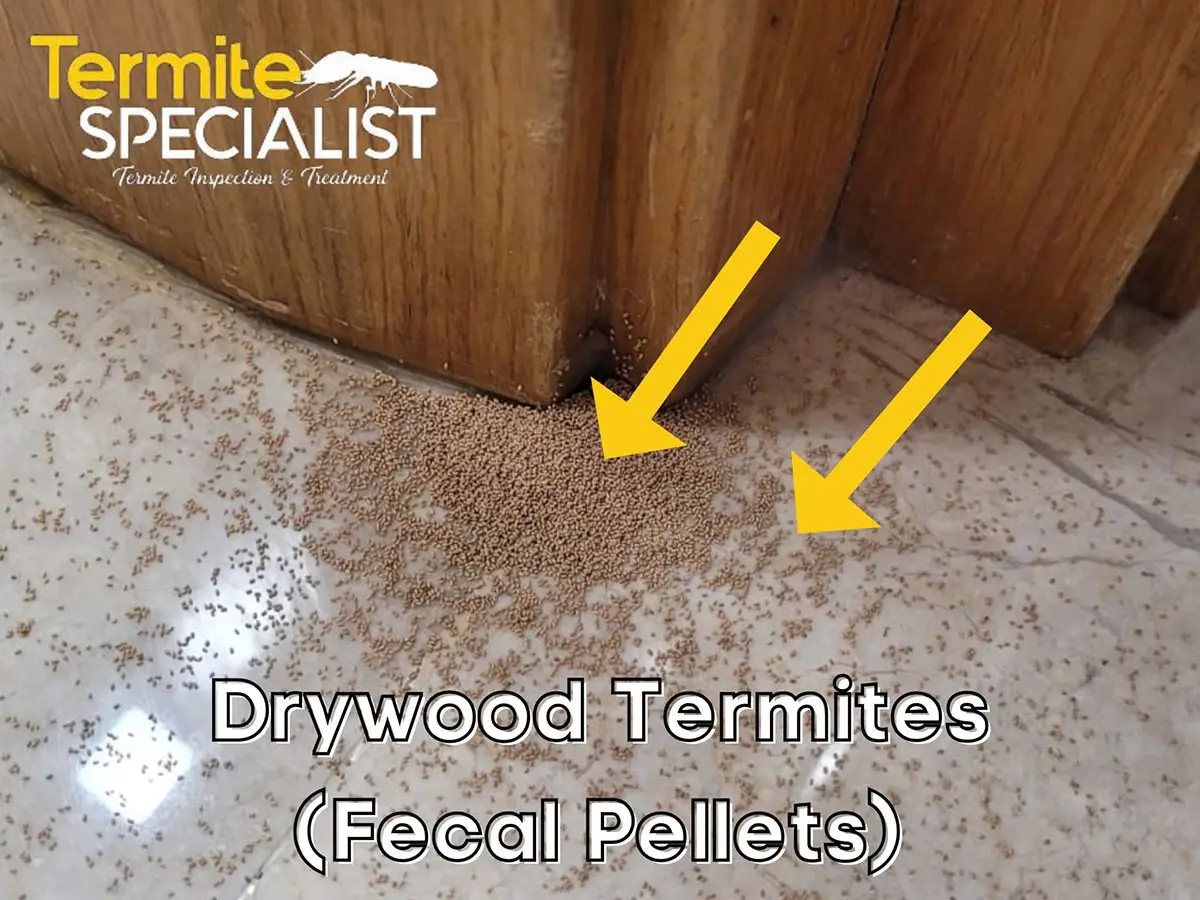
Drywood termite droppings

Termites construct intricate nests and colonies in a variety of places. The size and complexity depend on the termite species and their specific needs. Some termites build massive mounds above ground, while others prefer to remain concealed beneath the soil or within wood structures like our homes.

House termites build their nests to provide shelter, regulate temperature and moisture levels, and serve as a base for colony expansion. Worker termites are responsible for nest building; they use saliva combined with soil or wood particles to form robust walls, which requires them to chew on wood in homes. Soldier termites guard the nest, and can bite humans if they’re disturbed.

Identifying House Termites

Termite colonies often lurk within the walls and furniture of our homes and businesses, causing substantial damage before we even notice their presence. Here are ways that you can identify whether you have these pesky bugs invading your space.

Traits of Termites
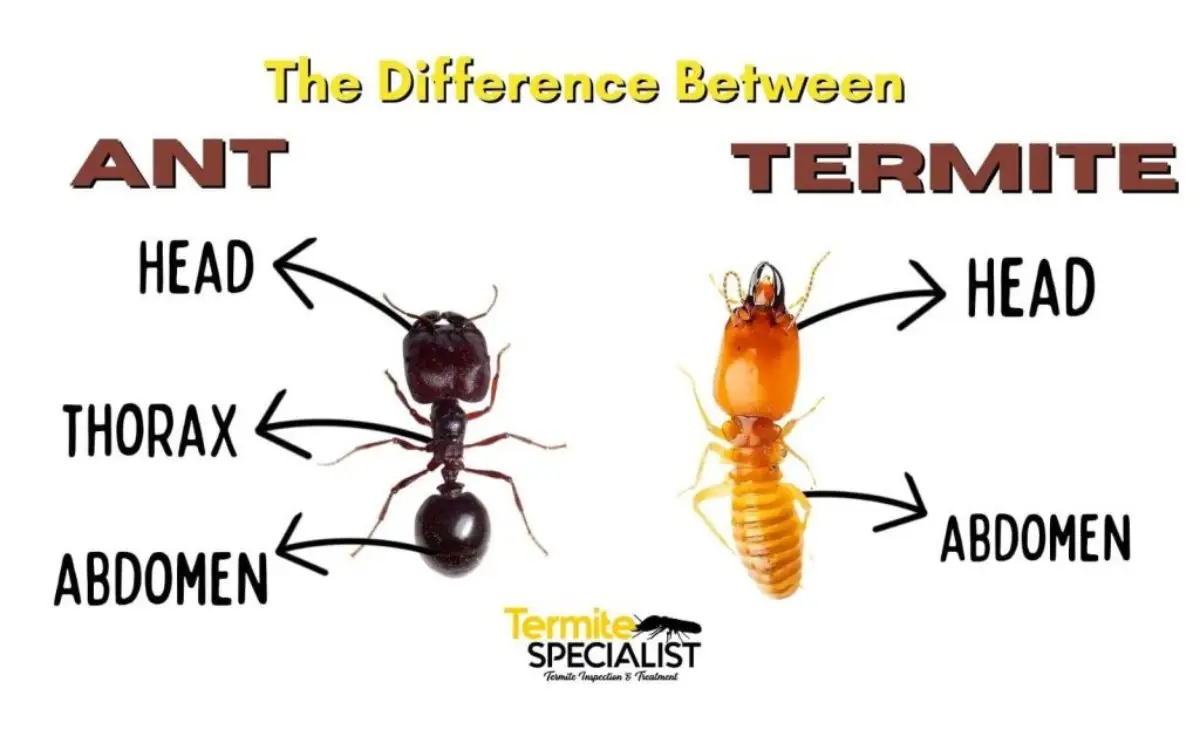
Termite vs ant

Termites have distinct traits that differentiate them from other pests. To identify if an insect is a termite, you need to look out for:

Straight Bodies: Unlike ants, termites have long, blocky bodies. They look thicker than ants, and can be identified by shape.

Light Colours: Termites have lighter shades than ants. They are usually brown and cream colored. If you see something that looks like a white ant, it’s most likely a termite.

Mud Tubes: Termites leave behind long tubes of mud. If you find these on the exterior of buildings, they may have been created by termites.

What Do Termite Eggs Look Like?

Termite eggs are tiny, oval, and off-white to pale yellow in colour often described as looking like miniature grains of rice, at around 1mm long. Subterranean termites (the most common and destructive species in Singapore) lay their eggs in chambers deep underground, while drywood termites keep theirs sealed inside wood galleries, such as furniture, beams, or door frames.

Because the queen and worker termites keep eggs protected inside the nest at all times, you’ll almost never actually spot termite eggs out in the open on your furniture, floors, or walls even during a serious infestation.

Here’s a quick TikTok video on how you can further differentiate the Subterranean vs Drywood Termites!

Signs of Termites Damage
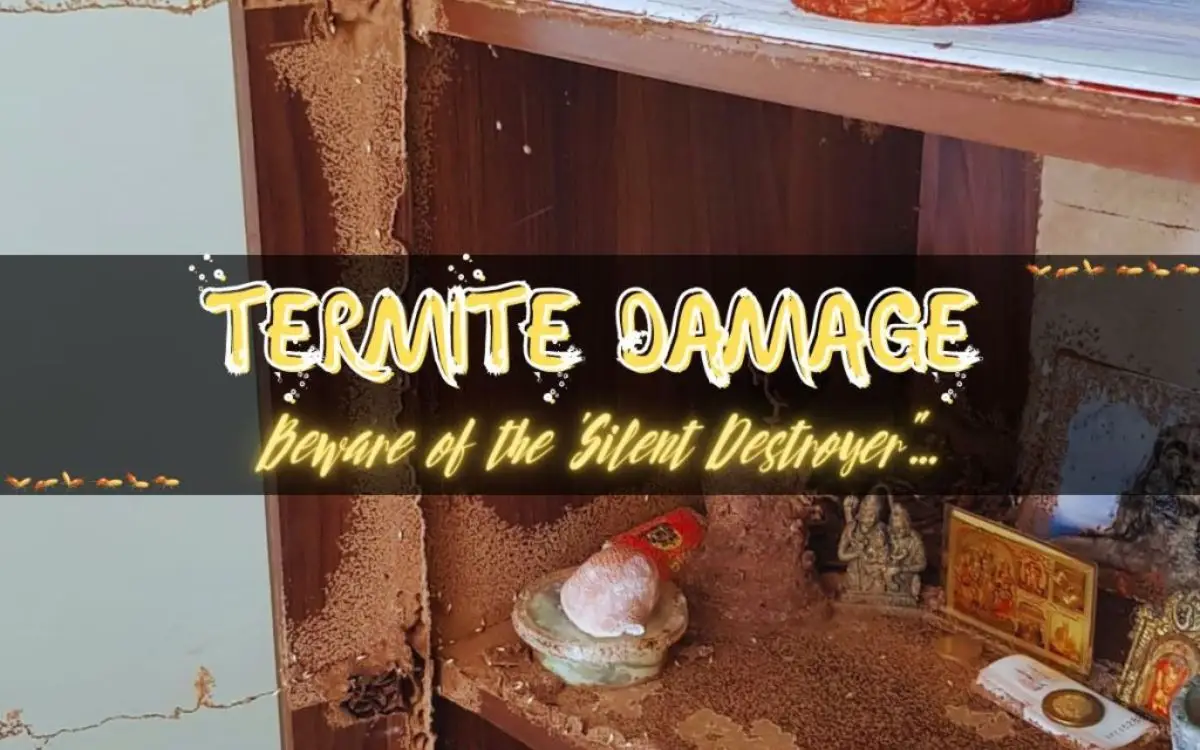
Termite nest in bookshelf

Once you’ve identified the termite, you can look out for signs of damage that they’ve left. Knowing the signs of termite damage is crucial in order to take prompt action and prevent further destruction.

Hollow Wood: If your solid wood sounds hollow when you tap on it, or you can push objects into it, there may be termites inside.

Mud Tubes: Those pesky mud tunnels are a clear sign of termites, and you can trace them back to holes where they’re entering your walls.

Discoloured Wood and Paint: If the colour of your walls or floor change, it may be a sign that termites have been eating it. They can cause peeling paint as well, which looks like it’s bubbling or buckling.

Crumbling Wood: Visibly deteriorating wood can be caused by termites, and may be severely damaging your home’s structure.

Sawdust Piles: Termites leave very visible piles of wood dust and granular feces. If you notice these termite droppings, you’re likely dealing with termite swarms.

How much damage can termites do in 6 months? 🤔🤔 Watch this TikTok to learn more!

Best Way to Detect a Termite Infestation
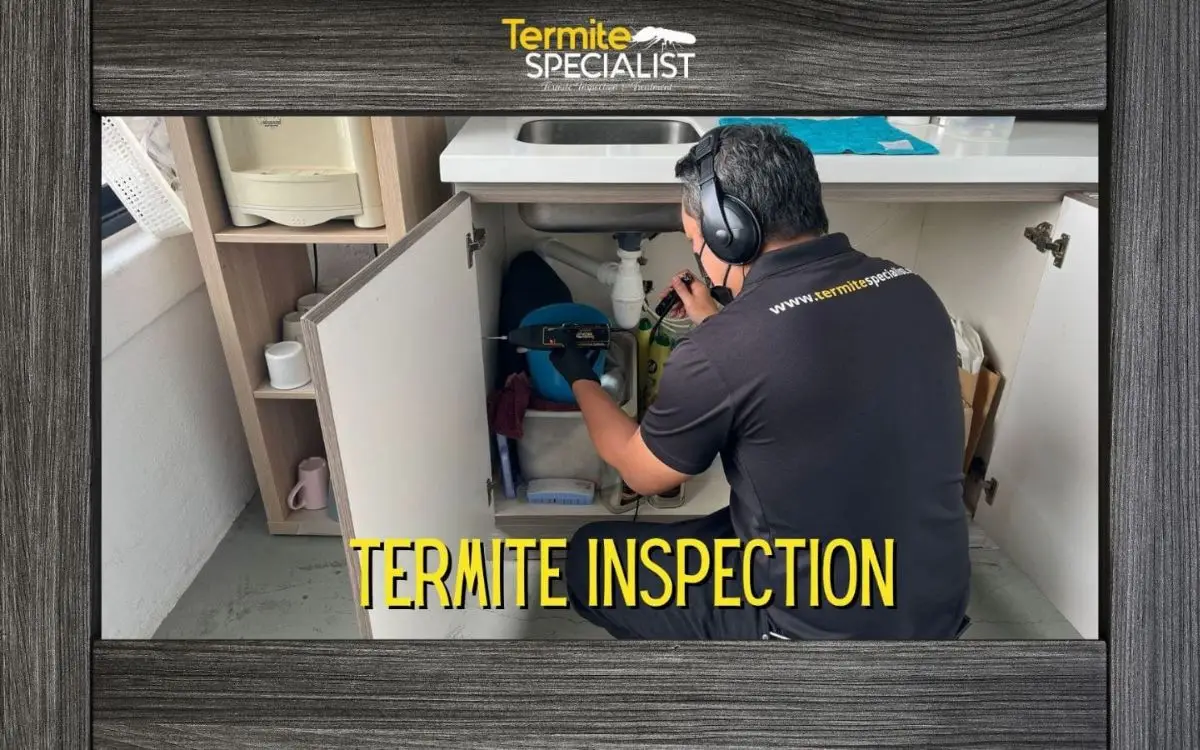
Get a professional to conduct a termite inspection.

Looking out for these signs is a good way to determine whether termites are infesting your home. However, the best way to confirm this is to have a professional termite inspection.

Inspections are carried out by termite specialists using thermal imaging and hearing devices. This allows them to detect insects hidden inside the walls, which can’t be spotted otherwise. The cameras can identify two out of three types of common termites in Singapore, and it can be done non-invasively, without demolishing your walls.

In the beginning stages of a termite infestation, a normal inspection can’t accurately spot them. By the time signs can be discovered, an average person can likely already tell they have termites, and don’t always need a diagnosis. Thermal imaging is to detect if there’s any moisture or water seepage in potential areas. Thermal inspections are ideal for new homes, or when you want to maintain your house and stop the problem at the root.

The very first thing you should do when you discover termites is to stop and consider your options. Do NOT interfere with them, attempt to spray the nest, or otherwise disturb them. Termites swarm when they feel danger, and can become more aggressive. Damaging the nest can also lead to them retreating and abandoning the area, moving deeper into your property. This makes it much harder for both specialist and DIY solutions to get rid of them.

Termites in HDB Flats and Condos

In HDB flats and condos, termites usually show up in timber that touches walls or floors: door frames, wooden skirting, built-in wardrobes and kitchen cabinets, and timber near wet areas such as bathrooms. Some infestations start outside the unit, for example in a common-area electrical or riser room, and spread in along the walls.

Why older and resale flats are more at risk

Older flats tend to have more original timber fittings and more years of exposure, and past renovations can hide old termite damage behind new carpentry. If you are buying a resale flat, check door frames, skirting and the inside of built-in cabinets, or book a termite inspection before your renovation starts.

Who is responsible for termite treatment?

  • Inside your HDB flat: the flat owner. HDB treats interior maintenance as the owner’s responsibility, so you engage a licensed pest control company yourself.
  • Common areas such as corridors, electrical and riser rooms and void decks: your town council. Report it through the OneService app or to the town council directly.
  • New BTO flats: also tell HDB if you are still within the 1-year Defects Liability Period that starts when you collect your keys.
  • Condos: the owner looks after the inside of the unit, and the management corporation (MCST) looks after common property, so report any activity in common areas to the management office.

Not sure where the termites are coming from? A termite inspection shows whether the activity is inside your unit or spreading in from outside, which decides who should treat it.

Treating House Termite Infestations

Termite Soil Treatment

Once you’ve identified a termite problem, you’ll need to deal with it as soon as possible. Termite colonies can grow up to MILLIONS strong, which can ruin your home in a handful of years. Left undetected, the problem will only worsen, so finding a decisive solution is of utmost importance.

Professional termite control options:

Professional termite control options include:

Termite Baiting Treatment: Termite Baiting Treatment involves luring termites into a trap, which spreads poison to the rest of the colony. It takes place over a period of time and can be used to wipe out a whole nest.

Termite Corrective Treatment: Termite Corrective Treatment is when professionals drill through parts of a building to pour insecticide into the foundations and walls.

Termite Soil Treatment: Termite Soil Treatment is usually done pre-construction. It seals pesticides into the ground so that termites are killed if they try to nest in the foundations of a building. It’s preventative rather than proactive.

Termite Monitoring Stations: Termite Monitoring Stations are planted in the ground to check for the presence of termites. They’re used if it’s not possible to dig beneath the soil in a building.

DIY vs. Professional Assistance: When to Call the Experts
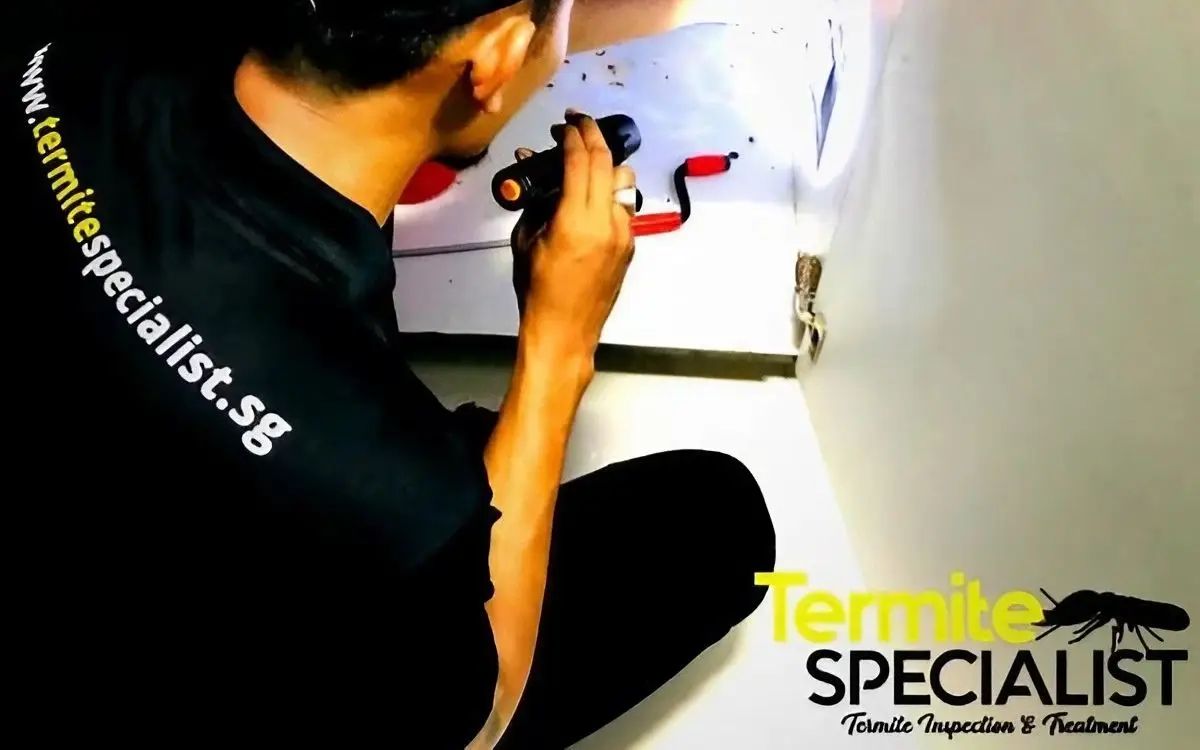
A periodic inspection will keep your home pest free

It may be tempting to try and solve a termite problem on your own. However, you should determine the extent of your termite problem and assess whether it can be effectively tackled as a DIY project or if professional assistance is necessary. Here’s why you might want a pro to step in:

  1. Equipment: Professionals have specialised equipment, such as thermal imaging tools and pesticide tanks. You won’t have to invest in your own tools if you hire a specialist.

  2. Long-term Solutions: Home remedies are only temporary solutions. Professionals are able to provide comprehensive, long-term solutions that can get rid of your termites, as well as prevent them from coming back.

  3. Consultation: With professional help, you’ll be able to receive a consultation and learn about repair methods. You won’t have to stress about doing research on your own.

  4. Efficacy: Professional methods are long-lasting, and you can have your house termite-proofed in the long term. DIY methods don’t keep termites gone for long, and you’ll risk having the problem reappear in the future.

  5. Harmful Effects: Using pesticides by yourself can put you at risk, due to the harmful effects of the chemicals. Without professional aid, making use of unknown chemicals is highly dangerous. Professionals are able to handle dosages and make adjustments to eliminate the risk of you and your family being exposed to chemicals directly.

Long-Term Strategies to Maintain a Termite-Free Environment

Regular inspections and monitoring, along with taking preventive measures to deter termites, are essential for maintaining a termite-free environment. Keep your home protected by implementing these long-term strategies.

Regular inspections and monitoring
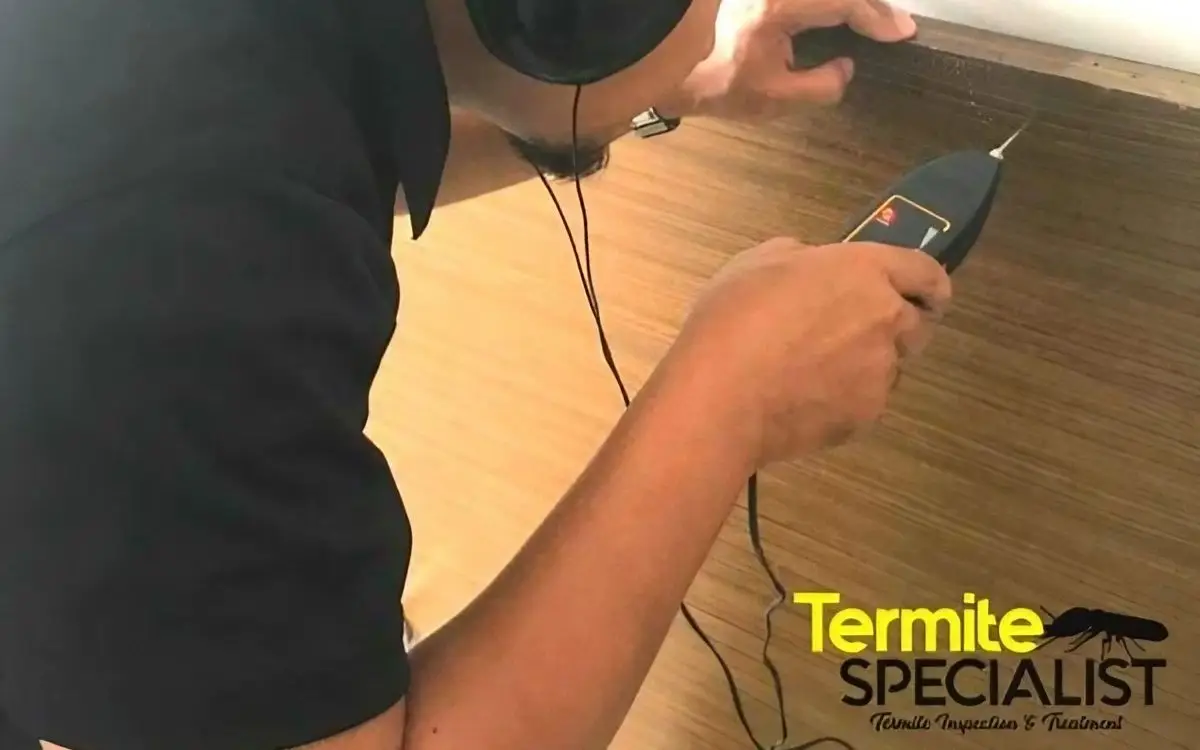
Termite Control Singapore

Regular inspections and monitoring are essential for termite prevention. Here are some key steps to follow:

Check for signs: Look for signs of termite damage, such as hollow wood or mud tubes on walls. We recommend inspecting your property at least once a year.

Pay attention to moisture: Areas prone to moisture, such as basements, crawl spaces, and attics, are spots that termites love. They struggle with bright light, so dark and wet places are where you’re likely to find them.

Inspect wooden structures: Examine furniture and fences for any indications of termite activity.

Look for termites directly: Keep an eye out for discarded wings near windowsills or doors. Flying termites may be visible when they’re preparing to start a nest.

Monitor Openings: Check the exterior of your home regularly for any cracks or openings that could serve as entry points for termites.

This is especially important if you’ve dealt with termites before, as they may return to your property if the wood has degraded since the last extermination.

Preventive Measures: Fortifying Your Property
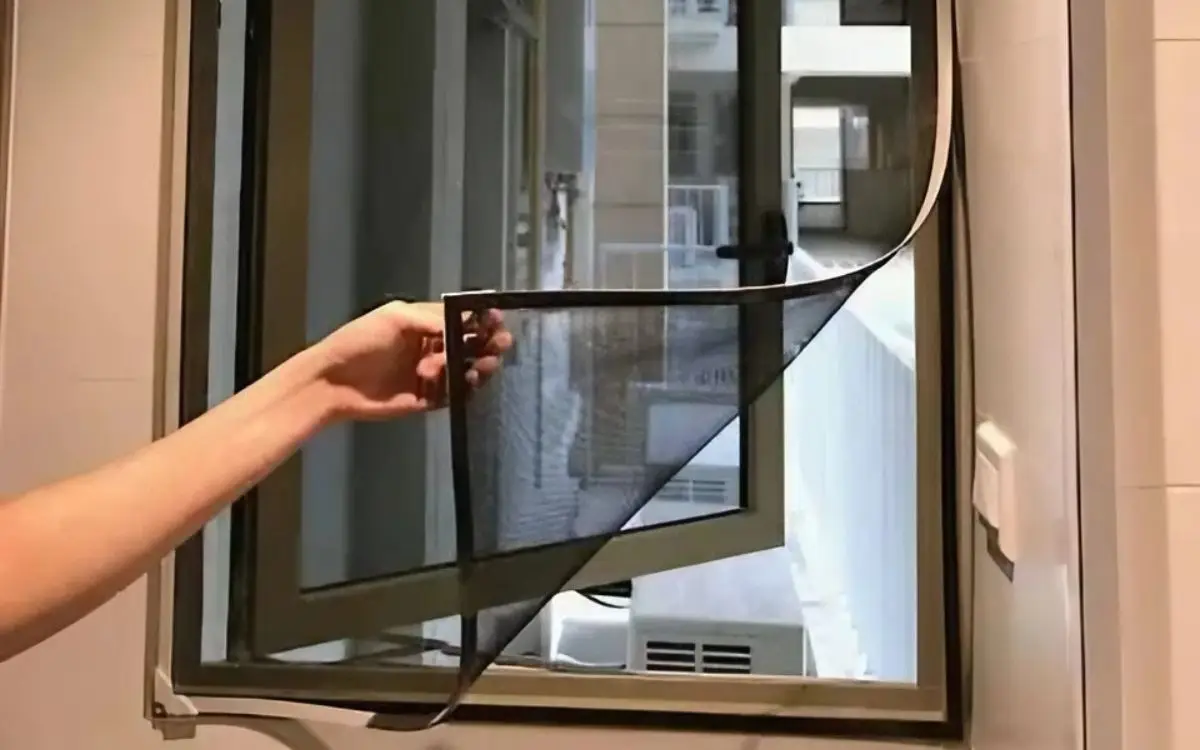
Screen to repel winged termites

Here are some active measures you can take to deter termites:

Remove Wood Debris: If you have old wooden furniture lying around, make sure it’s not unattended! Properly get rid of it, so you don’t have a space for termites to make their home in.

Screen vents and openings: Ensure that all vents and openings are properly screened, so bugs will have difficulty moving through them.

Eliminate moisture: Wet wood is prime real estate for termites. Pay close attention to leaky pipes and wooden cabinets, especially in bathrooms. Treated wood can ward off termites by stopping water from seeping into it.

Seal Cracks: If you notice cracks in your house, whether it’s the walls, windows, or foundations, seal it up as soon as possible. Leaving them there can allow insects to live deep inside your walls.

Termite-resistant materials: When building or renovating your home, invest in materials that termites struggle to get through. Having an expert set up a termite barrier in your foundations is also a wise choice.

Termites in Singapore: Frequently Asked Questions

Yes. Singapore’s warm, humid climate suits termites all year round, and subterranean termites are the type most often found in homes. Older flats, landed homes with gardens and homes with water leaks or a lot of timber fittings see infestations more often.

The three main types are subterranean termites, which nest in the soil and build mud tubes; drywood termites, which live inside dry timber and leave small pellets; and dampwood or garden termites, which attack damp and rotting wood.

You rarely see a subterranean termite nest, because it is underground or hidden inside walls. What you see are the mud tubes the termites build to travel. Some garden species build mounds of soil outdoors. Drywood termites have no separate nest: the colony lives inside the wood it eats.

Termite eggs are tiny, oval and off-white to pale yellow, about 1 mm long, a bit like grains of rice. They are kept deep inside the nest or inside wood galleries, so homeowners almost never see them.

Termites inside your flat are the owner’s responsibility, so you engage a licensed pest control company. If termites are in common areas such as corridors or riser rooms, report it to your town council or through the OneService app. If your flat is new and still within the 1-year Defects Liability Period, tell HDB as well.

Do not spray or disturb the termites, because they scatter and move to another part of the home. First have the termite type identified, then treat it with the right method: baiting to eliminate the colony, corrective treatment for an existing building, or localised treatment for drywood termites. See our guides to termite control in Singapore and how to get rid of termites.

Success Stories: Real-Life Examples

We recently helped a customer deal with her termite problem over eight visits. Watch the video to find out more!

Protect Your Home with Termite Specialist SG
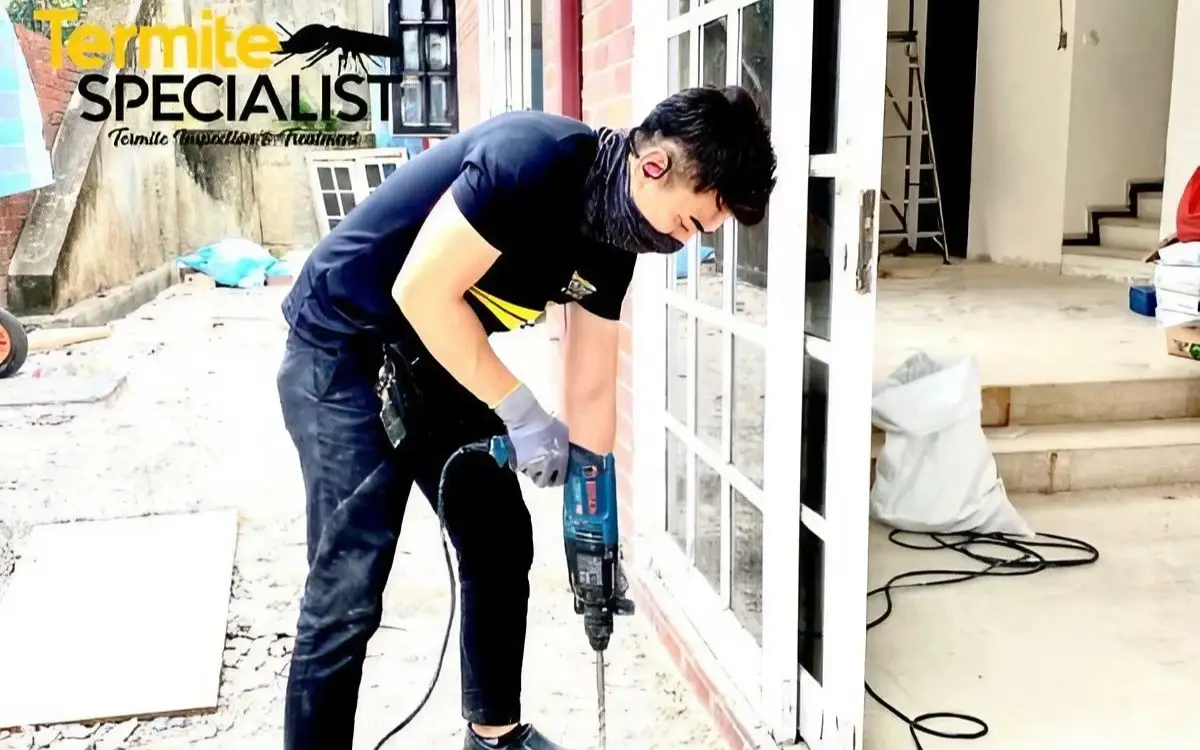
Termite Prevention

Don’t let termites eat away at your peace of mind. With Termite Specialist SG, you’re investing in a termite-free future for your home. Our experts are equipped with state-of-the-art technology and extensive knowledge to identify, treat, and prevent termite infestations.

Whether it’s a regular inspection, emergency pest control treatment, or long-term prevention strategies, we’ve got you covered. Don’t wait until it’s too late—contact us now for a consultation!

To learn more about termites and termite extermination, check out our other blog articles, where we go into detail on life cycles, types of termites, and solutions!

Get our termite and pest control tips on Google.

Add Termite Specialist as a preferred source