
Quick answer: To get rid of termites in Singapore, confirm the species first (subterranean Coptotermes gestroi is the most common in HDB flats and landed homes), then use bait stations or a soil termiticide barrier for subterranean colonies, or spot/heat treatment for drywood termites. DIY sprays only scatter the colony. An NEA-certified inspection with thermal imaging takes 45–90 minutes and is usually available same-day; professional treatment typically clears a colony within 7–14 days of follow-ups, with a warranty.
Termites are one of the most destructive pests in Singapore. They attack wooden furniture, flooring, and even building structures, often without being noticed until serious damage is done. If you are dealing with termites, you need to act fast. Below, we cover the most effective DIY termite control methods as well as when it is better to call a licensed professional.
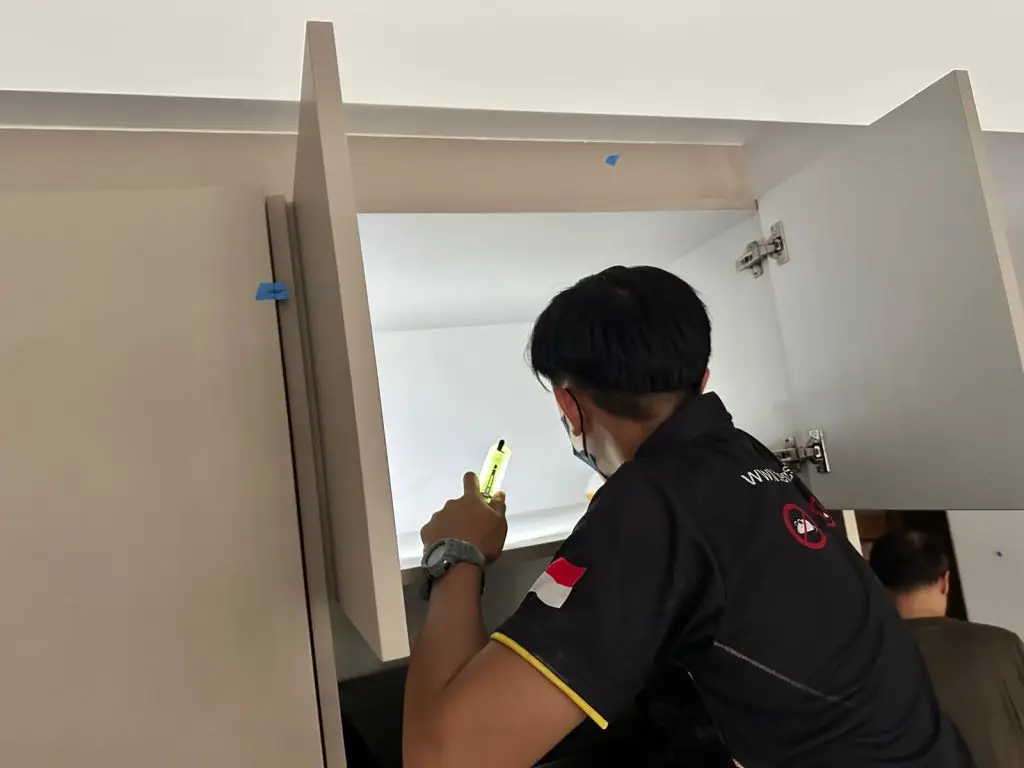
DIY Termite Control in Singapore
These home remedies can help with minor infestations, but they may not be enough for larger colonies:
1. Boric Acid Treatment
Boric acid powder disrupts termites’ digestive systems and eventually kills them. Mix it with hot water and spray affected areas, or apply powder directly to cracks and wooden joints. Works for drywood and dampwood termites, but not for large infestations.
2. Cardboard or Wood Bait Traps
Soak cardboard or small wood pieces, attach poison bait, and place near termite activity, such as mud tubes or cracks. Termites feed on it and spread poison to the colony.
3. Orange Oil Spray
Effective against drywood termites. Spray directly into cracks and crevices. Works more as a repellent and is not a long-term solution.
4. Petroleum Jelly
Rubbing jelly into termite entry holes can suffocate them and block re-entry. This is more preventive than curative.
5. Beneficial Nematodes
Parasitic worms that naturally kill termites in soil and wood piles. Safe for homes and gardens.
6. Sunlight and Heat Exposure
Move infested wooden furniture outdoors for direct sunlight. Heat removes moisture and kills termites inside.
7. Freezing Small Items
For small wooden pieces, wrapping and freezing for 3 to 4 days can eliminate hidden termites.
8. Diatomaceous Earth
Sprinkling diatomaceous earth around affected areas dehydrates termites when they crawl through it.
Note: DIY treatments can help temporarily, but termites are highly resilient. If you see widespread mud tubes, hollow wood, or flying termites (swarmers), it is time to call a professional.
Professional Termite Control in Singapore
Licensed pest control companies use advanced methods that are more effective and longer lasting:
- Bait Stations – Placed around your property to attract termites and eliminate the entire colony.
- Soil-Applied Termiticides – Protects wooden structures by creating a chemical barrier underground.
- Foam or Dust Injections – Reaches termites inside walls and voids.
- Heat or Cold Treatment – For areas where chemical use is not suitable.
- Thermal Imaging Detection – Identifies hidden termite activity without damaging your property.
Professional treatment not only removes termites but also prevents future infestations.
Which Professional Method Should You Choose? (Pros & Cons)
Most Singapore homeowners want to avoid tenting the whole house, and for mild or localised infestations you rarely need to. Here is how the main professional options compare, so you know what to expect before you call anyone.
Bait Stations
Stations are installed in the soil or at entry points. Termites feed on a slow-acting bait and carry it back to the nest, so the whole colony dies off over weeks to months. This is the go-to method for subterranean termites, the most common type in HDB flats, condos and landed homes. Pros: no need to vacate, targets the colony rather than the visible insects, minimal disruption. Cons: takes time, and a neglected station does nothing, so professional monitoring is essential. Read more: Termite Baiting Treatment in Singapore.
Liquid Termiticides (Soil and Barrier Treatment)
The soil along the foundation is trenched and treated to create a chemical barrier that termites cannot detect, so they cannot avoid it. Pros: long-lasting, and works as prevention as well as cure. Cons: some chemical use (modern products are low-odour, low-toxicity and NEA-regulated), and it is a job for NEA-certified professionals rather than a DIY weekend. See: Termite Soil Treatment.
Spot Treatment (Foam, Dust and Injection)
For a single door frame, built-in cabinet or window sill, the technician drills small holes, injects foam or liquid termiticide, and patches up afterwards. Pros: quick and cost-effective. Cons: it only works if you catch the problem early and can reach the colony. Hollow-sounding wood in several rooms means the infestation has spread beyond what a spot treatment can fix.
Heat Treatment
Localised heating to 49–60°C kills drywood termites and their eggs on contact, with no chemicals. Pros: chemical-free and fast. Cons: needs specialist equipment and care around heat-sensitive materials, so it is not a DIY option.
Ongoing Monitoring Programmes
A scheduled inspection every six to twelve months means new activity is caught before it turns into structural damage. The earlier termites are found, the less you spend on repairs. At Termite Specialist Pte Ltd we tailor the schedule to your property and back it with a warranty. If you want someone experienced to look at your place and walk you through these options, book an inspection online.
Bottom line: skip tenting if the infestation is mild, localised or caught early, and use bait stations, soil barriers or spot treatments instead. For severe, widespread drywood infestations, whole-house treatment may still be the only option. If in doubt, get a professional inspection, and make sure the company is NEA-certified.
Termite Prevention Tips for Singapore Homes
- Keep wood away from direct soil contact.
- Seal cracks and entry points in walls and flooring.
- Fix leaky pipes and improve ventilation, as termites thrive in moisture.
- Remove tree stumps, firewood piles, and wooden debris.
- Schedule a termite inspection at least once a year.
- Use termite-resistant building materials for renovations or new homes.
Termite Treatment in Singapore: Frequently Asked Questions
How do you kill termites permanently in Singapore?
Permanent control means eliminating the colony, not the visible workers. Bait stations with a slow-acting IGR let workers carry the bait back to the queen, while a non-repellent soil termiticide barrier stops re-entry. Surface sprays and aerosols only kill the termites you can see and push the colony deeper into the wall.
How much does termite treatment cost in Singapore?
A termite inspection with thermal imaging starts from S$80. Treatment depends on the species and the size of the property: spot treatment for a single door frame or cabinet is the cheapest, baiting systems and soil barriers for a whole HDB flat, condo or landed house cost more and come with a warranty. Every job starts with an inspection and a no-obligation quote.
Can I treat termites myself?
DIY methods such as boric acid, orange oil or diatomaceous earth can help with a small, reachable drywood infestation. They do not work on subterranean termites, whose colony lives in the soil or inside walls. If you see mud tubes, hollow-sounding wood in more than one room, or flying termites indoors, call an NEA-certified specialist.
What is anti-termite treatment?
Anti-termite treatment is a preventive soil treatment applied before or after construction. The soil along the foundation is trenched and treated with an NEA-approved, non-repellent termiticide to create a barrier that subterranean termites cannot cross. It is standard for new builds and renovations of landed homes in Singapore.
How long does termite treatment take to work?
Spot and heat treatments kill termites on contact. Baiting systems take weeks to months to eliminate the whole colony because the bait must reach the queen. At Termite Specialist Pte Ltd, follow-up visits every 7 to 14 days continue until no activity remains.
Which termites are most common in Singapore?
Subterranean termites, especially Coptotermes gestroi, cause most structural damage in Singapore and are found in HDB flats, condos and landed homes. Drywood termites attack furniture and door frames without needing soil contact. Dampwood termites are rarer and need moist, decaying wood.
When to Call a Termite Specialist in Singapore
If you notice any of these signs:
- Hollow-sounding wood
- Mud tubes along walls
- Flying termites inside your home
- Damaged furniture or skirting boards
it is best not to wait. Termite damage repair often costs far more than professional treatment.
Termite Specialist Pte Ltd is a licensed termite control company in Singapore with proven solutions for homes, offices, and commercial properties.
Visit us at 50 Bukit Batok Street 23, #05-30 MIDVIEW BUILDING, Singapore 659578
Call +65 6910 3776 for a termite inspection today.