
Pest Control Service in Jurong West, Singapore
Affordable, Reliable Pest Control with Local Expertise — NEA Licensed, Fast Response, and 200+ Five-Star Reviews
Why Pest Control Is Essential in Jurong West
Jurong West is Singapore’s largest and most densely populated HDB town, home to over 270,000 residents across hundreds of residential blocks. This density, combined with Jurong West’s busy food courts, wet markets, and the lakeside environment of Chinese Garden and Japanese Garden, creates one of Singapore’s most demanding pest control environments. Dengue mosquito clusters are endemic to the estate’s low-lying areas, cockroaches dominate the food court and canteen belt, and termite infestation affects older HDB blocks and Lakeside private condominiums where structural timber and soil moisture levels are elevated.
About Termite Specialist Pte Ltd
Termite Specialist Pte Ltd is the only PRTRG-certified pest control company in Singapore — the highest professional standard for termite management. NEA-licensed and BCA-accredited, we have been serving Jurong West and the broader West Singapore corridor for over 13 years. Our 200+ five-star reviews across Google and social media reflect a consistent track record across HDB estates, condominiums, food courts, and commercial properties. We have been featured in The Straits Times, Berita Harian, and AsiaOne for our expertise in Singapore pest control.
For the complete range of treatments we offer across Singapore, visit our pest control services in Singapore page. To see our licences and certifications, visit our about us page.
Jurong West’s Pest Hotspots by Zone
Jurong West’s pest risks vary by sub-zone. Knowing the specific pressures for your area helps us deploy the right treatment the first time:
- Jurong West Streets 73, 81, 91, 92 — HDB High-Density Cluster: High cockroach and rodent activity from wet markets, hawker centres, and refuse collection points. Dengue mosquito clusters regularly appear in NEA’s weekly cluster alerts for this belt. Quarterly pest management contracts are common for food premises in this corridor.
- Lakeside and Chinese Garden Belt: Lakeside vegetation and the ornamental lakes at Chinese Garden create persistent Aedes mosquito breeding sites. Older condominiums along Jurong Lake and private landed properties in Yuan Ching Road have elevated subterranean termite risk from sustained soil moisture.
- Jurong West New Towns (Streets 41, 42, BTO Belt): Newer BTO developments in the north-west have displaced subterranean termite colonies during piling and construction. Pre-occupation termite inspections are strongly recommended for all new Jurong West BTO units.
- Jurong West Industrial and Commercial Corridor: Light industrial units, warehouse loading bays, and canteen kitchens in the Jurong West industrial belt face rodent pressure from food waste accumulation. NEA food licence holders require documented pest management programmes for annual renewal.
- Boon Lay and Pioneer Road Adjacent: The boundary zone between Jurong West, Pioneer, and Tuas sees cross-boundary pest movement from the industrial belt. Rodent activity from Jurong Port-adjacent warehouses can extend into residential areas via drains and utilities corridors.
Our Full-Service Pest Control for Jurong West
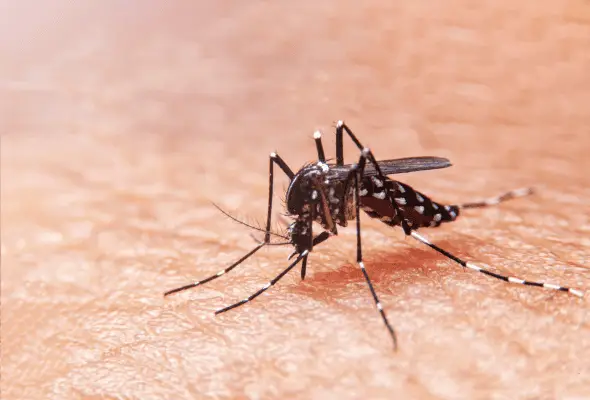
Mosquito Control
Dengue clusters are common in Jurong West’s high-density estates and humid micro-climates. Our NEA-certified team uses larvicides, fogging, and targeted adulticide sprays for total protection in blocks and around Jurong West Street 73, 81, 91, 92.
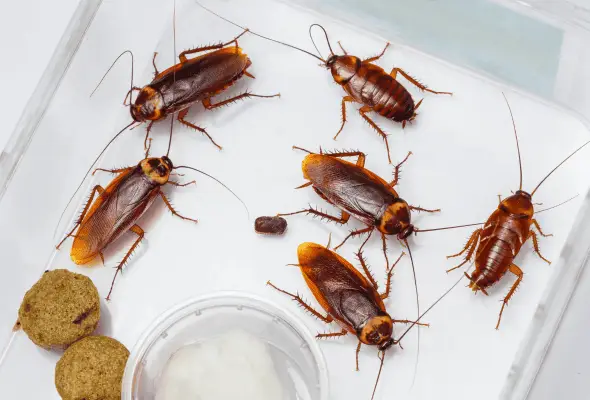
Cockroaches management
Food courts, condos, commercial kitchens, and older buildings in Jurong West create ideal conditions for cockroaches. We deliver long-term results using gel baiting, residual sprays, and sanitation reviews.
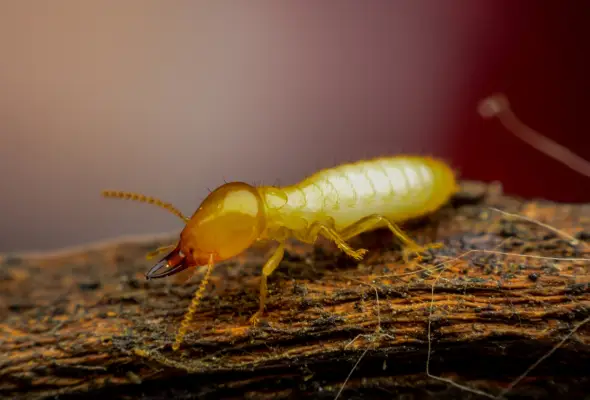
Termite control
We protect homes, condos, and businesses from subterranean, drywood, and dampwood termites. Treatment includes pre-construction proofing, soil barriers, in-ground bait stations, and colony eradication—always with NEA and BCA approval.
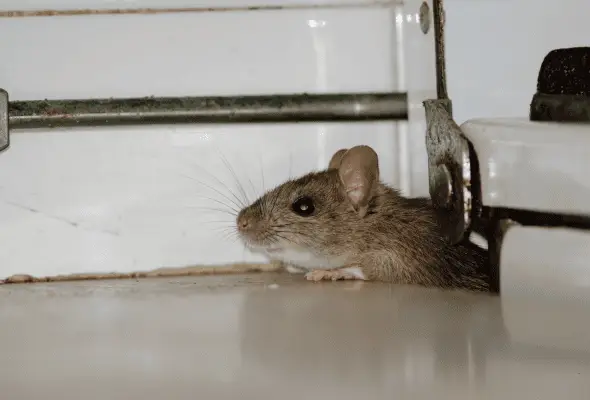
Rodents pro-grade pest control
Rodents are a threat to warehouses, residential blocks, and food outlets. Our tamper-proof baiting, building proofing, and hot spot mapping keep your premises protected. Local experts understand Jurong West structure and habits.
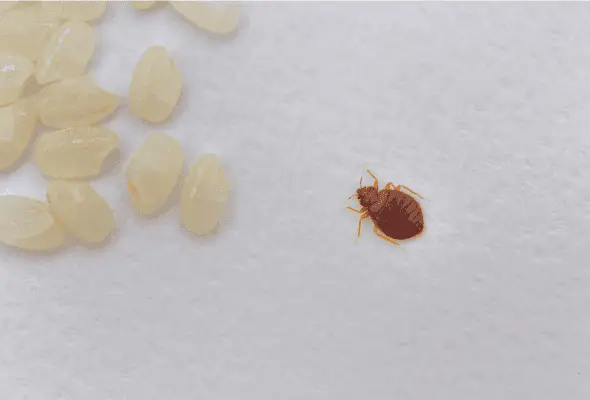
Bed bug control
Hotels, condos, and densely populated homes face bed bug risk. We use heat and chemical spot treatment plus mattress and upholstery encasement—designed for rapid, safe elimination.
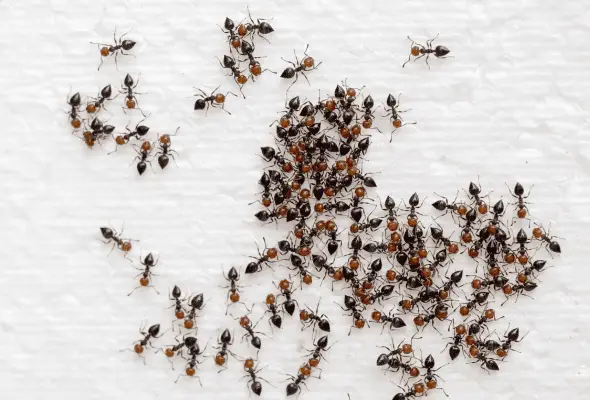
Ants treatment
Ants thrive in Jurong’s unsealed buildings and booklice in humid, poorly ventilated flats. We offer baiting, perimeter sprays, nest removal, moisture reduction, and friendly guidance.
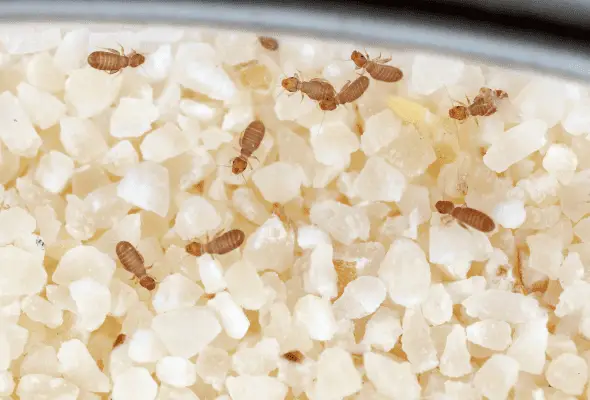
Booklice control services
Our booklice treatment plans include moisture reduction, desiccant dusts use, and fine-mist spray application.
Our Pest Control Services in Jurong West
Termite Control
Jurong West’s ageing HDB stock, Lakeside condominiums, and ongoing JLD construction displacement make termite control one of the most in-demand services in the district. We treat all termite species — subterranean, drywood, and dampwood — using the correct method for each infestation type, construction form, and site condition. Pre-construction treatment is available for renovation and A&A works.
Termite Inspection
Every termite engagement starts with a professional termite inspection of the full property. Our licensed inspectors use thermal imaging and moisture meters to map live colony activity through walls, flooring, and ceiling cavities without destructive investigation. You receive a written inspection report with annotated floor plans, infestation severity, and treatment recommendations — required documentation for resale, BTO pre-occupation clearance, and commercial lease renewals in the JLD precinct.
Termite Baiting System
For active subterranean termite colonies in Lakeside condominiums and Yuan Ching Road landed properties, our termite baiting system is the most effective long-term solution. Bait stations installed around the perimeter and at indoor harborage points introduce a slow-acting toxicant that foraging workers carry back to the queen. The entire colony collapses within 4–12 weeks. Non-invasive, no drilling, safe for children and pets.
Termite Corrective Treatment
When active termite damage is already present in timber flooring, wall panels, or roof trusses, corrective treatment stops further spread and treats existing damage. Direct wood treatment with boron compounds, soil injection at entry points, and foam application into infested voids are combined with post-treatment monitoring visits at 4 and 8 weeks. Commonly required in Jurong West HDB blocks built in the 1970s–1990s that have not had prior professional inspection.
Termite Soil Treatment
For renovation works and new construction in Jurong West, termite soil treatment creates a chemical barrier under slabs and around foundations that prevents subterranean termite colony ingress. NEA-approved termiticides are applied under floor slabs and into perimeter trenches. Required BCA documentation is issued. Essential for all A&A works in properties adjacent to the Jurong Lake District construction zone.
Our process
- Inspect and identify: map hotspots, entry points, and conducive conditions.
- Treat precisely: apply NEA‑approved methods/materials matched to pest and environment.
- Prevent and monitor: sanitation guidance, exclusion work, scheduled follow‑ups, and documentation.
Testimonial From Our Clients!
Your Satisfaction Is Our Number 1 Concern. Quality Is Our Priority!
EXCELLENT Based on 214 reviews
 Posted on Google
 Andrew Wang7. August, 2026.Engaged Termite Specialist Pte Ltd for a site assessment, and I am thoroughly impressed by their professionalism and honesty. A big shoutout to their technician, Mr. Ammar, who provided exceptional service and clear, expert advice. Upon inspecting the drywood termite activity on our guest room door, he provided an honest evaluation explaining that the infestation likely originated from within the wood prior to installation (less than 3 years). Instead of hard-selling unnecessary treatments, he advised us to request our contractor or ID to replace the door under warranty, noting that replacing the affected door effectively removes the colony. Best of all, there were no charges for the inspection and report. Highly trustworthy, knowledgeable, and customer-first. Highly recommended!Posted on Google
 Teo6. August, 2026.This is the best termite specialist I engaged so far. They are very professional, with proper and timely follow up. There is also quotation given upon inspection with clear coverage. They provide report for each inspection once you engage them, all with clear explanation and no hidden cost.Posted on Google
 Sherilyn Loh5. August, 2026.Although I did not engage their services eventually, I feel that their responsiveness, helpfulness and professionalism deserves commendation. I contacted them late at night as I had some pressing issues to handle. Roy immediately answered the call and took a detailed history of the situation, and gave honest and helpful advice. Though I could not get an appointment with them that suited my timing, I appreciate him taking the time to speak to me and give me advice though he was not sure I would be engaging his services.Posted on Google
 Evelyn Ang21. July, 2026.Very honest service. They came to my place to do an inspection of a possible hornet infestation and did not charge me for it. I would certainly recommend them.Posted on Google
 J Y8. July, 2026.I would like to thank Mr Ammar for his wonderful job. He helped me located the drywood termite infestation when there was no frass to be seen. He is very knowledgeable and very experienced. I have engaged 3 different pest control company for drywood termite problem before. But only he located the spot that all other pest control technician missed. Well done and thank you again!Posted on Google
 Daniel Lin29. June, 2026.Although I eventually engaged another pest control company due to timing, I still wanted to leave a review for Termite Specialist Pte Ltd. When I reached out on Saturday evening regarding what I suspected was a subterranean termite infestation, they responded promptly via WhatsApp and were patient in answering my questions. During a rather stressful situation, they were professional, courteous, and took the time to provide helpful advice without any pressure or hard selling. Although I didn’t proceed with their services due to timing, I truly appreciated their responsiveness and customer service. Based on my experience communicating with them, I wouldn’t hesitate to consider them in the future. Thank you for your help and professionalism.Posted on Google
 tutiandyuki16. June, 2026.Engaged termite specialist Pte Ltd when we discovered we had termites. Team is very professional and informative on types of termites and the best possible treatment method. Suggested baiting method, revisited every 2 weeks to check on the bait / replenish if necessary. Took around 3 months to eradicate my termite issues! Mine was subterranean termites and the situation was bad as it was in my kitchen cabinets. Roy and his team are so efficient and friendly too, would highly recommend to anyone looking to solve their pest issues. Thank you team ✨Posted on Google
 Jessica G8. June, 2026.I am very grateful for the Termite Specialists' prompt assistance and immediate action when we identified the problem. The team are very professional and knowledgeable, always willing to explain the process and next steps. They punctually attended every 2 weeks, were very respectful of our household activities and completed their inspection and baiting within 15 mins each time. The reporting was thorough and we are very appreciative that they solved this problem for us. Thank you!Posted on Google
 Toon-Hui Ong8. June, 2026.Termite Specialist has been very professional in addressing the termite infestation issues at my home. They made an effort to explain the process and science behind the treatment. I am pleased with the outcome and services.Posted on Google
 Karyin Har6. June, 2026.Highly recommend them.. very good service from start to finish. got a few quotations and they offered competitive rates. Plus they came down to do an inspection. Some companies will not make a trip unless I engage them. They also provide a one yr warranty after the termites extermination for the whole house. While others only provides warranty for spot and worse, 6 mths from the day work start. They also set up a Wa chat grp and provides a report after every visit. Ammar and Fakhrul were very good in helping with the house inspection and termites extermination. Esha is also very prompt in replying to my queries and making appointments. My house is now free from termites. Thank you
How Our Pest Control Process Works
- Contact and Booking: Call or WhatsApp us with your pest problem and property type. We confirm an appointment for your earliest available slot — same-day response for urgent cases.
- On-Site Inspection: A licensed technician inspects the full property — roof, subfloor, wall cavities, drains, and garden. Thermal imaging used for suspected termite activity. Entry points and harborage zones mapped.
- Written Treatment Proposal: Fixed-price proposal with recommended method, product names, safety information, and expected timeline. No hidden charges.
- Treatment Execution: NEA-approved products applied by licensed technicians. For food-licensed premises, food-safe application methods and same-day service report issuance.
- Service Report: Every treatment generates a service report with technician credentials, NEA product registration numbers, quantities, treatment areas, and findings.
- Follow-Up and Monitoring: Scheduled follow-up visit to verify effectiveness. Contract clients receive quarterly visits and annual inspections. We return at no charge if pests return between contract treatments.
Ready to book? Contact us or WhatsApp for a free inspection quote.
We were proudly featured on!!
showcasing our expertise and commitment to excellence in pest control services.
Berita Harian | Strait Times | AsiaOne



Service Areas Across Singapore
Central Singapore Areas:
Orchard Road, Somerset, Dhoby Ghaut, Bugis, Raffles Place, Marina Bay, Tanjong Pagar, Chinatown, Clarke Quay, Robertson Quay, Whampoa, Boon Keng,
East Singapore Areas:
Geylang, Paya Lebar, Bedok, Tampines, Pasir Ris, Changi, Simei, and Marine Parade.
West Singapore Areas:
Bukit Batok, Jurong, Tuas, Clementi, Buona Vista, Bukit Timah, Holland Village, Pioneer, Queenstown, and Choa Chu Kang.
North Singapore Areas:
Woodlands, Yishun, Sembawang, Ang Mo Kio, Bishan, Serangoon, Sengkang, Punggol and Hougang.
Premium F&B Districts: Dempsey Hill, Rochester Park, Tiong Bahru, Haji Lane, Kampong Glam, East Coast Park
FAQ?
Yes. All products we use are NEA-approved for residential and commercial use. For households with young children and pets, we select odourless, low-toxicity formulations and advise on a short ventilation period after spraying treatments. For baiting systems used in termite and ant control, the bait is enclosed in tamper-proof stations that are inaccessible to children and animals. We also offer eco-friendly alternatives for clients who prefer non-chemical approaches for specific treatments.
For most HDB homes in Jurong West, a quarterly general pest inspection is sufficient to catch cockroach, ant, and booklice activity early. Properties adjacent to Chinese Garden, Jurong Lake, or the wet market belt should schedule quarterly mosquito larvicide treatment. For food-licensed premises — hawker stalls, canteens, food courts monthly inspections and quarterly treatments are the minimum for SFA compliance. Termite inspections should be done annually for all properties over 15 years old in the district.
Call or WhatsApp us immediately. All our treatments come with a follow-up visit, and contract clients are covered by a warranty if pests return between scheduled treatments, we return at no additional charge. For one-time treatments, we offer a 30-day warranty on the treated area. Reinfestation after treatment usually indicates a new entry point or a moisture source that was not present during the initial treatment, and we re-inspect to identify and address the root cause.
Jurong West’s combination of high residential density, lakeside vegetation, and significant green corridor areas creates more potential Aedes mosquito breeding sites per square kilometre than less densely vegetated HDB towns. Chinese Garden, Japanese Garden, and Jurong Lake provide large bodies of water and surrounding vegetation that support year-round mosquito populations. NEA’s dengue cluster data consistently shows the Jurong West and Lakeside belt as a recurring dengue hotspot. Quarterly larvicide treatment for drains, roof gutters, and garden water features is the most effective preventive measure for residential properties in this zone.
We strongly recommend a pre-occupation termite inspection for new BTO units in Jurong West, particularly in the Jurong Lake District belt and Streets 41–42 where active construction is ongoing. Ground disturbance from piling and excavation displaces subterranean termite colonies, which can enter adjacent completed units through floor slab penetrations and soil contact points within the first 1–2 years of occupation. A pre-occupation inspection establishes a baseline record. If termite activity is detected, early treatment is far less disruptive and expensive than treating an established infestation after timber damage has occurred.
request for Pest treatment
Our Specialist Will Get Back To You As Soon As Possible