
subterranean termites in singapore
Your Local Termite Pest Control In Singapore
Subterranean Termites in Singapore
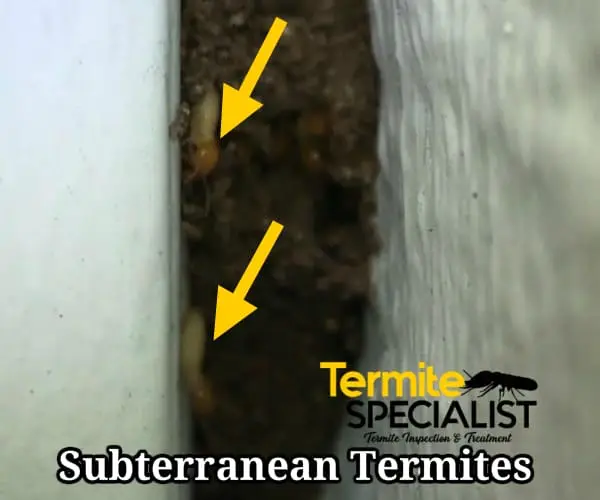
Subterranean Termites In Singapore are scientifically referred to as Coptotermes Gestroi, they are the ones of the most notorious and dangerous insect’s pest of wood in Asia. They cause millions of dollars in damage each year and can severely damage a family’s most valuable possession in their home. Subterranean termites live in colonies within the ground and have specialized castes to perform specific colony functions.
Thus, these caste systems made up of three classes: Workers, Soldiers, and Swarmers. Workers take care of the foraging, care for the young, build and repair, and even help defend the colony.

Treatment for Subterranean Termites
Once subterranean termites are confirmed on your property, the colony needs to be dealt with at the source. Spraying the mud tube kills what’s in that section, but the queen keeps laying eggs and the colony rebuilds within days. Our technicians choose between two methods depending on how the infestation has spread through your property.
Termite Baiting (Eco-Friendly): This is what we recommend for HDB flats and landed homes where drilling into the soil isn’t practical, and it’s safe around children and pets.
Dusting: Termites carry the dust back to the nest on contact, spreading it through the colony.
subterranean termite food
Subterranean termites in Singapore feed on anything that contain wood cellulose and fiber such as paper, cardboard, and plant products. Though their main source of food include dead trees and brush, but when the land is cleared by human intervention and houses get built, termites will start to attack the building structures.
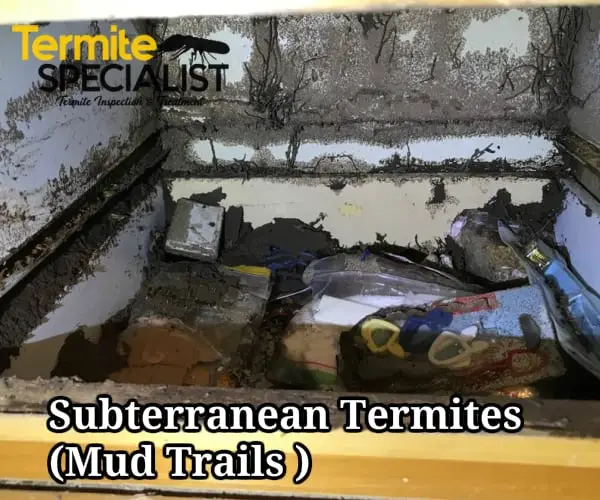
Termites can penetrate buildings through wood that sits on soil and through building tunnels called mud tubes in foundations. They can also enter easily through cracks or openings in foundations.
Subterranean Termite Habitat
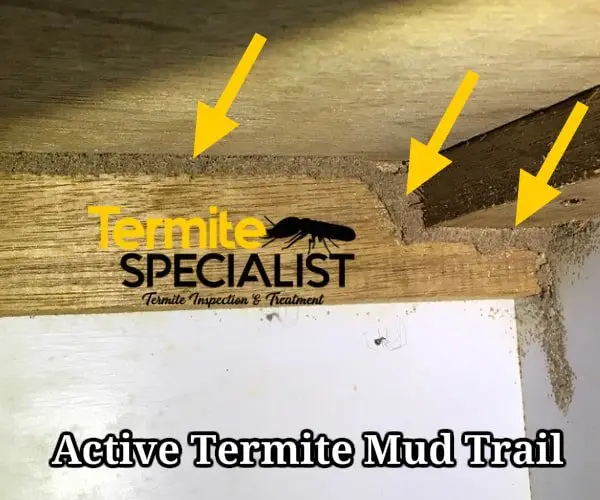
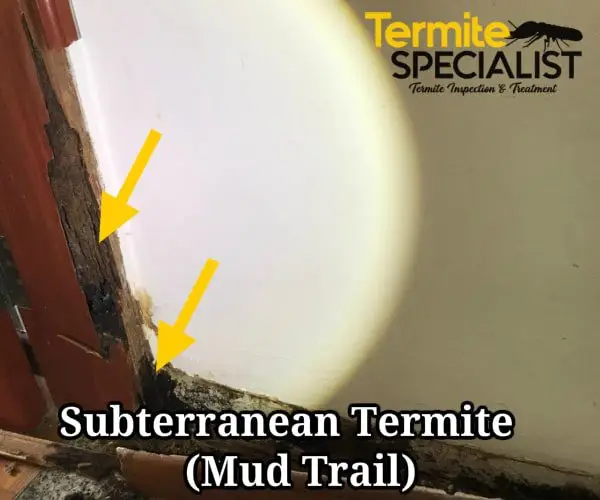
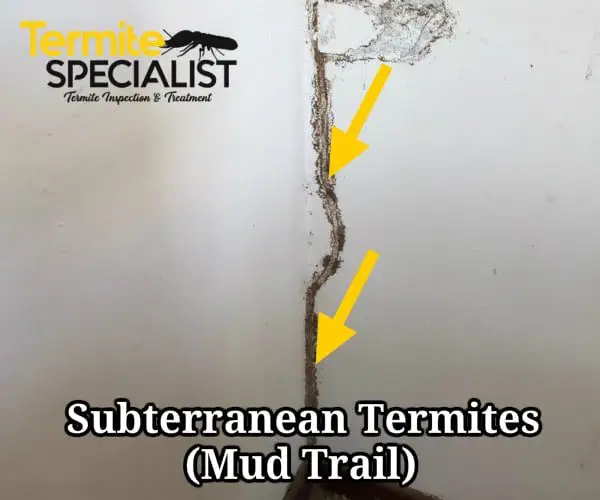
Subterranean termites require moist environments which is why they build their distinctive mud tubes to gain access to their sources of food and to protect their colonies from predator.
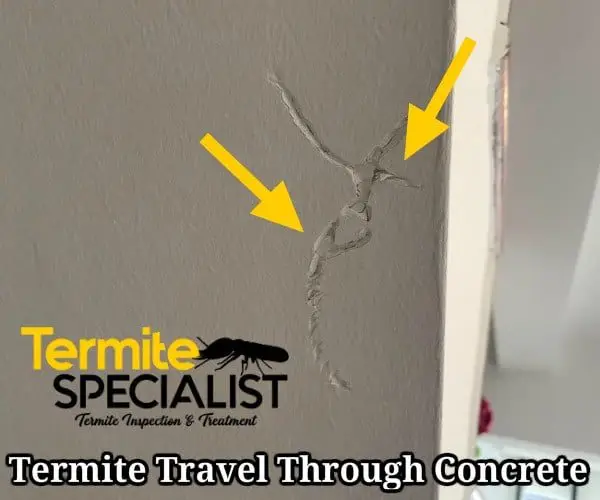
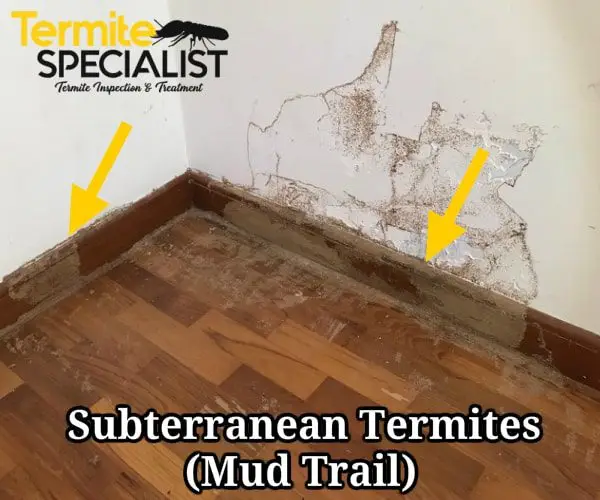
To, however, satisfy this need, they usually nest in or near the soil, kitchen sink, toilet doorframe, skirting near window area and they maintain connection with the soil through tunnels in wood or mud tubes on the ground in some case these industrious termites can even build tunnels through cracks in the concrete.
Reproduction
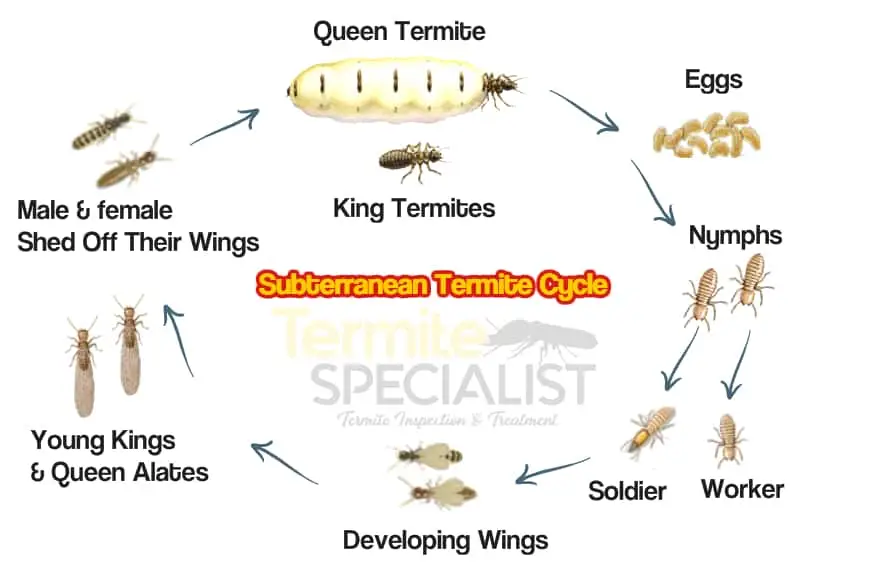
The subterranean termite queens reproduce and lay eggs daily. After mating, the male will die. Termite queens produce a massive quantity of eggs, usually 5,000 to 10,000 eggs per year, and can produce over 10,000,000 eggs in its life.
During the springtime, reproductive males and females (the swarmer caste) are sent out to breed and create new colonies.
Signs Of Subterranean Termites
Mud tubes. Pencil-width trails running along skirting, walls, or foundations. These are the termites’ protected tunnels between the soil and their food source. If you can see one, the colony is already active.
Hollow-sounding timber. Tap on skirting, door frames, or furniture. If it sounds papery or hollow instead of solid, termites have likely been feeding from the inside.
Discarded wings. Small, uniform wings near windowsills or light fixtures, usually after a swarm. This can mean a new colony is starting nearby.
If you spot any of the above, do not spray insecticide over it. Disturbing the trail scatters the colony and makes it harder to trace back to the nest. Call us at +65 9362 1956 for a proper inspection instead.
Subterranean Termites FAQs
Look for mud tubes along walls or foundations, hollow-sounding timber, and discarded wings near windows after a swarm. If you’re not sure, book a physical inspection. Some signs look similar to other pests like carpenter ants.
Our technicians use baiting or dusting, depending on where the colony is and how the property is built. Both target the nest itself, not just the visible trail, so the whole colony is dealt with over time.
Not reliably. Off-the-shelf sprays kill what you can see but rarely reach the queen, and often push the colony deeper into the structure, making professional treatment harder later.
It depends on the size of the infestation, the method used, and the size of your property. We give a fixed quote after a free on-site inspection, so you know the cost before any work starts.
Baiting works gradually, usually a few weeks to a few months depending on colony size. Dusting can show results faster on localized infestations. Your technician will give you a realistic timeline after inspection.